Gisela Günther · 8 September 2026
Tracing the Evolution of Human Potential Workshops in Remote Coastal Environments
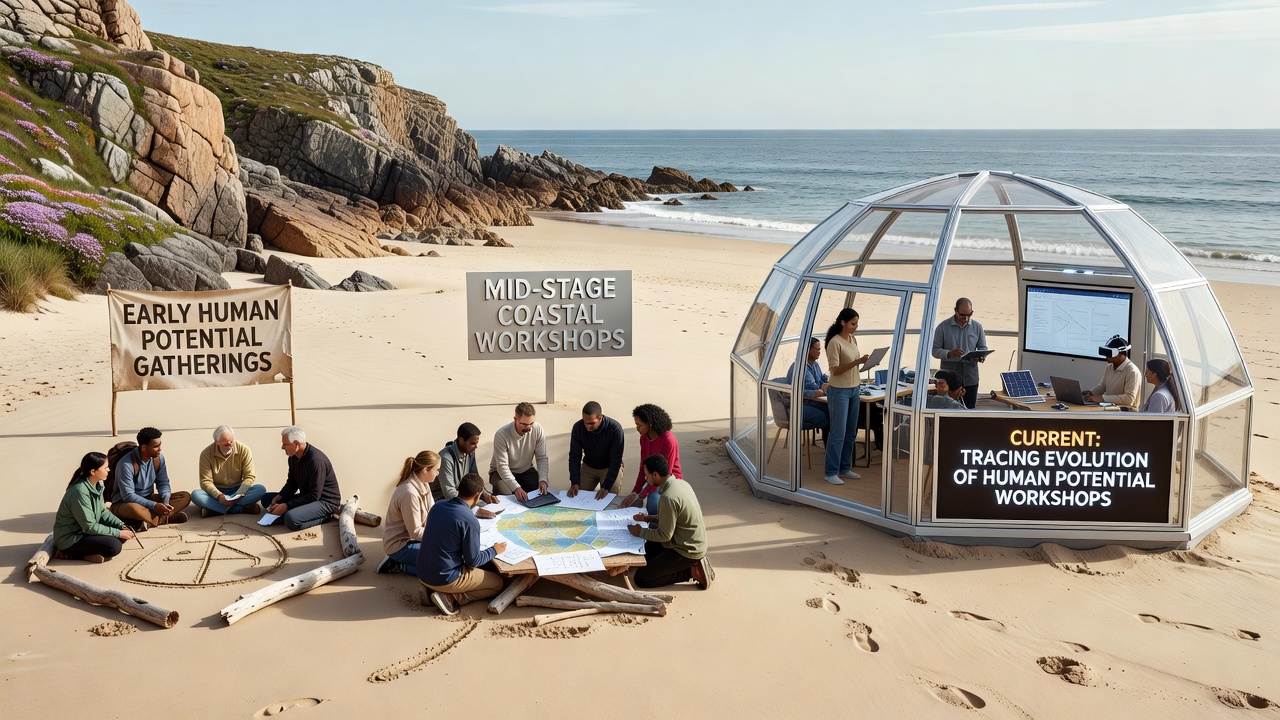
The human potential movement gained momentum during the 1960s when researchers and practitioners began organizing structured workshops that combined psychological inquiry with natural settings, and remote coastal environments emerged as preferred locations because of their isolation and access to ocean rhythms. Data from archival records show that initial programs emphasized group dynamics, sensory awareness, and body-centered practices, while participants traveled to sites such as Big Sur in California and later to similar shorelines in other regions.
Origins and Early Development
Observers note that the first documented workshops drew from existential psychology and Eastern contemplative traditions, and they adapted these approaches to coastal landscapes where tides and weather patterns created natural metaphors for personal change. Studies conducted by university teams in the United States during the 1970s recorded attendance figures that rose steadily as word spread through professional networks in psychotherapy and education. Those who attended often described extended stays that lasted from five to fourteen days, during which daily schedules incorporated dawn meditations on beaches and evening discussions in cliffside lodges.
Archival materials indicate that organizers selected remote coastal sites to minimize external distractions, and this choice aligned with emerging evidence that natural environments can support sustained attention during introspective exercises. Government health reports from Canada later highlighted correlations between time spent in coastal zones and self-reported improvements in mood regulation among workshop attendees. By the late 1980s, similar programs appeared in locations along the coast of Ireland and the northern shores of New Zealand, where local facilitators adapted core methods to regional cultural contexts.
Expansion Across Regions and Formats
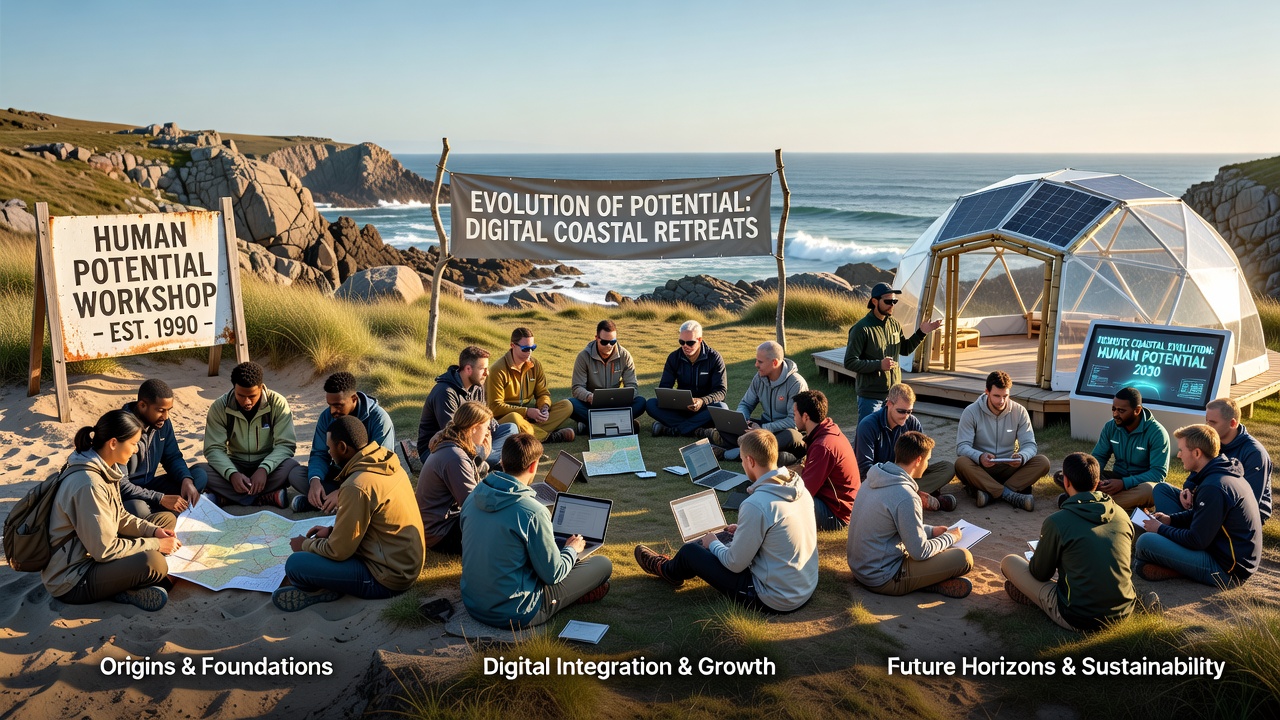
Expansion accelerated in the 1990s when digital communication allowed organizers to coordinate across continents, and new coastal venues opened in Australia and South Africa. Research published by academic centers documented shifts in curriculum that incorporated environmental education alongside psychological techniques, so participants learned about marine ecosystems while exploring personal narratives. Figures from tourism boards reveal that wellness-related travel to remote coastal areas grew by double-digit percentages each decade after 2000, with workshops forming a notable segment of that increase.
Program structures evolved to include multi-week intensives and shorter modular sessions, and facilitators began integrating data from wearable devices to track physiological responses during outdoor activities. One study conducted by a team at an Australian research institution found measurable changes in heart-rate variability among participants who combined movement practices with shoreline walks. In parallel, European Union reports on adult education noted rising enrollment in programs that used coastal isolation to foster creativity and decision-making skills.
Current Practices and Data Trends
Today, workshops continue to adapt to new research on neuroplasticity and environmental psychology, and many programs now schedule sessions around lunar cycles or seasonal migrations of marine life. Attendance records maintained by independent retreat centers show consistent participation from professionals in technology, healthcare, and the arts. Data compiled by Statistics Canada indicate that wellness tourism, which includes structured coastal workshops, contributed measurable revenue to rural coastal economies between 2015 and 2024.
Facilitators employ a range of evidence-based approaches, including mindfulness protocols validated in clinical trials and somatic methods refined through decades of field observation. Programs in September 2026 are expected to incorporate updated modules on climate-related resilience, drawing from reports issued by the World Health Organization on mental health and environmental stressors. Organizers coordinate with local marine authorities to ensure minimal ecological impact, and they publish annual summaries that detail participant outcomes using standardized assessment tools.
Future Directions and Institutional Support
Academic partnerships have strengthened in recent years, with universities in multiple countries offering certificates that recognize workshop facilitation skills. Government agencies in Australia and the European Union have funded pilot studies that examine long-term effects on career satisfaction and community engagement among former participants. These investigations rely on longitudinal surveys and control groups to isolate variables associated with coastal settings versus urban alternatives.
Technological integration continues, with virtual reality previews of coastal locations used during pre-workshop orientation, and post-program follow-up conducted through encrypted platforms. Industry associations track these developments and publish aggregated statistics that help new entrants understand operational requirements for remote sites. Observers note that the combination of scientific validation and geographic specificity has sustained interest across generations of practitioners.
Conclusion
Records and research indicate that human potential workshops in remote coastal environments have progressed from small experimental gatherings to organized programs supported by academic and governmental data. Continued adaptation to new findings on well-being and environmental interaction suggests the format will persist as one option among diverse approaches to personal and professional development.