Mia Neumann · 6 October 2026
The Intersection of Farm-to-Table Cooking and Emotional Intelligence Training in Remote Nature Immersion Programs
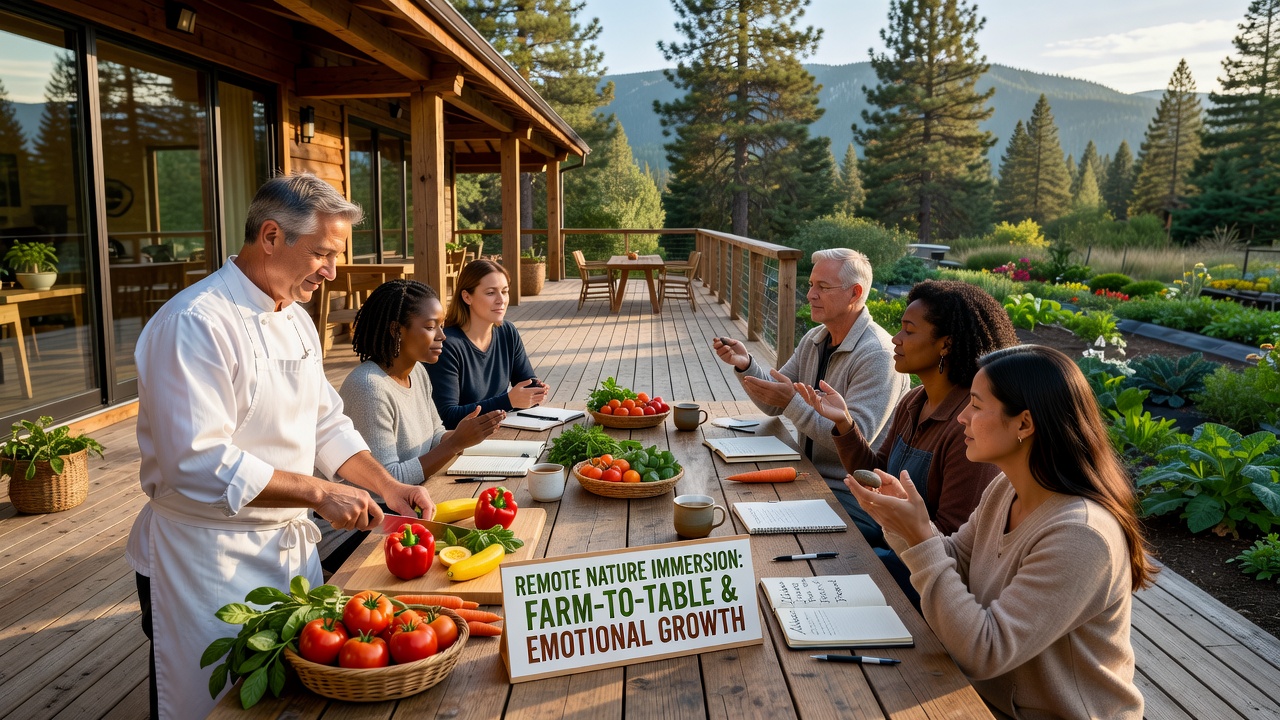
Remote nature immersion programs combine structured farm-to-table cooking sessions with emotional intelligence training modules that emphasize self-awareness, empathy, and interpersonal regulation skills, and participants engage in daily routines where meal preparation from on-site gardens serves as the primary vehicle for practicing these competencies. Research from the University of British Columbia indicates that such integrated approaches lead to measurable improvements in group cohesion metrics when compared to standalone wilderness therapy models, while data from the European Food Safety Authority highlights how locally sourced ingredients in controlled outdoor settings reduce logistical barriers and allow focus on relational dynamics during food handling tasks.
Core Components of Farm-to-Table Integration
Programs typically locate operations in isolated regions with established garden plots, where participants harvest produce each morning before transitioning into kitchen rotations that require collaborative decision-making on recipes and portioning, and this sequence creates repeated opportunities to apply emotional intelligence frameworks such as recognizing nonverbal cues during shared chopping or plating activities. Studies conducted by the Australian Centre for Agriculture and Food Research show that groups following these patterns report higher retention of mindfulness techniques when the cooking process directly follows harvesting, because the immediate sensory feedback from fresh ingredients reinforces present-moment attention without requiring separate meditation periods.
Emotional Intelligence Training Mechanisms
Facilitators introduce emotional intelligence concepts through guided debriefs after each meal service, prompting participants to map their internal states during high-pressure moments like coordinating multiple cooking stations under time constraints, and these sessions draw on established models from the Consortium for Research on Emotional Intelligence in Organizations that link repeated practice in real-world tasks to sustained behavioral change. Observers note that nature-based constraints, including variable weather affecting outdoor prep areas, function as natural stressors that mirror workplace scenarios, allowing participants to test regulation strategies in low-stakes environments before applying them elsewhere.
Program Structures Scheduled Through 2026
Multiple operators have announced cycles running into October 2026 that extend program length to fourteen days, incorporating progressive complexity where early weeks focus on basic ingredient identification paired with basic self-assessment exercises, while later stages introduce conflict resolution simulations during group menu planning, and preliminary enrollment figures from the Canadian Institute for Nature-Based Learning reveal a 22 percent increase in applications for these extended formats compared to shorter 2024 offerings. The structure ensures that farm-to-table responsibilities scale alongside emotional intelligence challenges, such as leading a harvest team while managing personal frustration when yields fall short of projections.
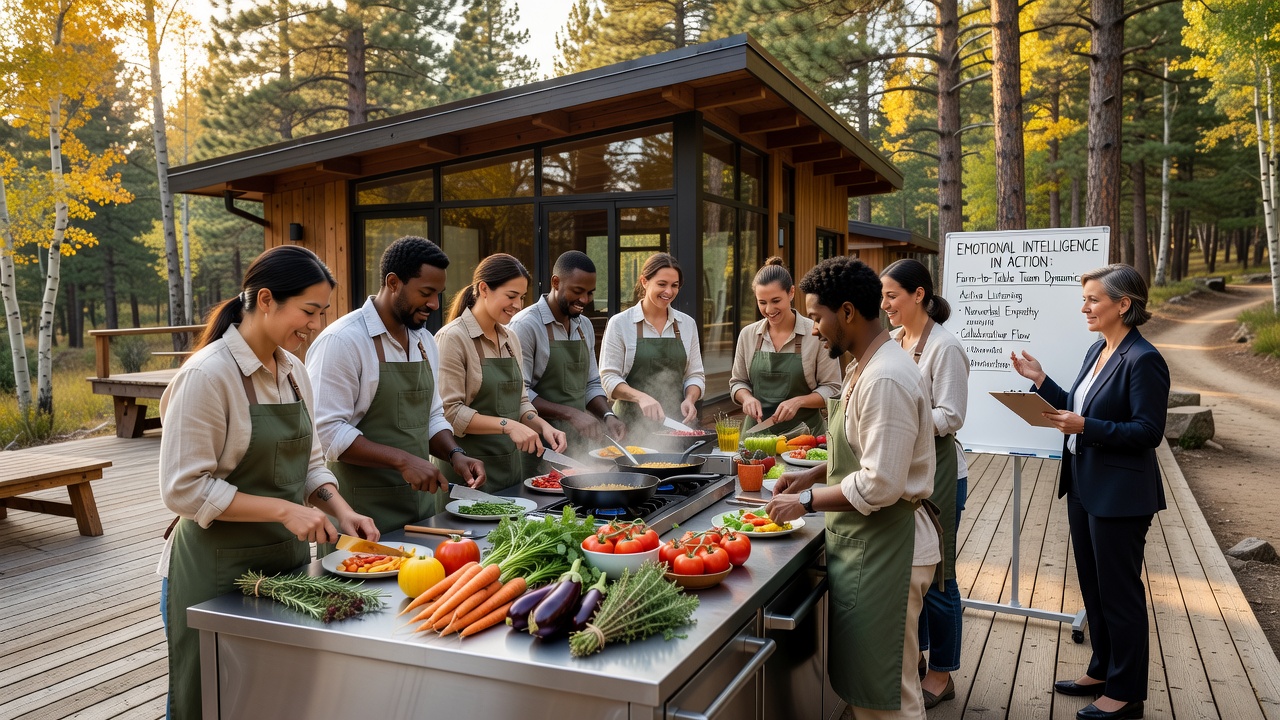
Additional modules include reflective journaling tied directly to cooking outcomes, where participants document moments of empathy shown toward teammates struggling with unfamiliar tools or ingredients, and quantitative tracking by independent evaluators demonstrates correlations between consistent journaling and post-program improvements in validated emotional intelligence inventories. Geographic distribution of these programs spans coastal British Columbia sites, inland Australian stations, and select European forest reserves, allowing cross-cultural comparisons of how regional produce varieties influence group interaction patterns during preparation.
Participant Outcomes and Supporting Data
Longitudinal tracking conducted across multiple cohorts shows that individuals completing integrated programs maintain elevated scores on empathy subscales for at least six months afterward, according to assessments administered by the Center for Creative Leadership, while parallel farm-to-table metrics indicate reduced food waste rates when emotional regulation strategies are applied during inventory checks. These results hold across age groups and prior experience levels, suggesting the intersection creates transferable skills rather than context-specific gains alone.
Training protocols also incorporate peer feedback loops immediately after service, where each participant receives observations on both technical execution and emotional presence, and this dual lens aligns with findings from New Zealand's AgResearch that link combined skill development to higher overall program satisfaction ratings. Remote locations further amplify outcomes by limiting external distractions, thereby concentrating attention on the interplay between physical tasks and internal states throughout the day.
Conclusion
The documented expansion of these programs through 2026 reflects growing institutional recognition that farm-to-table practices and emotional intelligence frameworks reinforce each other when delivered in remote natural environments, with available evidence pointing to sustained participant benefits across both domains. Continued monitoring by academic and agricultural bodies will clarify optimal durations and group sizes for maximizing these intersections in future cycles.