Otto Baumann · 22 September 2026
Somatic Experiencing Techniques and Their Application in Nature-Based Group Settings
Somatic experiencing techniques focus on releasing stored tension in the body after traumatic events and researchers developed these methods to address how the nervous system holds onto stress responses long after danger passes. Peter Levine created the approach in the 1970s after observing animal behaviors in the wild and noticing that humans often interrupt their natural recovery cycles. The core practices include titration which introduces small amounts of sensation at a time and pendulation which guides attention between comfortable and uncomfortable areas to build tolerance gradually.
Core Principles Behind the Method
Observers note that somatic experiencing avoids direct retelling of trauma stories and instead tracks physical sensations such as heart rate changes muscle tightness or temperature shifts in real time. Data from clinical settings show that these body-based interventions can reduce hyperarousal symptoms in participants who complete multiple sessions. Studies indicate that the technique helps restore a sense of safety by completing defensive responses that remained frozen during the original event.
What's interesting is how practitioners integrate resourcing exercises early on and these involve recalling positive memories or places that activate feelings of calm before any challenging material surfaces. Research from university programs demonstrates measurable drops in cortisol levels among individuals who apply these steps consistently over several weeks.
Adapting Techniques for Outdoor Group Environments
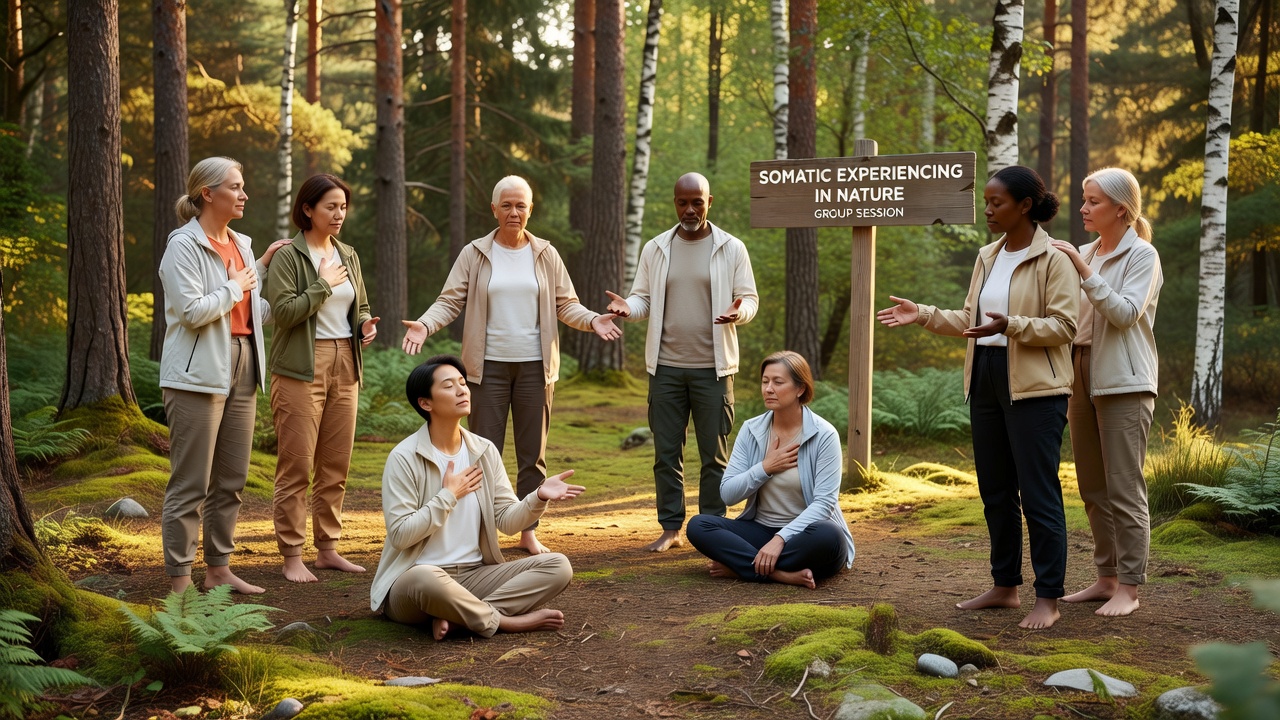
Nature-based group settings place somatic experiencing within forests beaches or mountain trails where participants engage in shared movement and sensory awareness activities. Facilitators guide the group through exercises that combine breath awareness with contact to natural elements like trees or water and this combination appears to enhance grounding effects according to reports from program coordinators. Groups typically range from eight to twelve people and sessions last between two and four hours to allow time for individual processing alongside collective support.
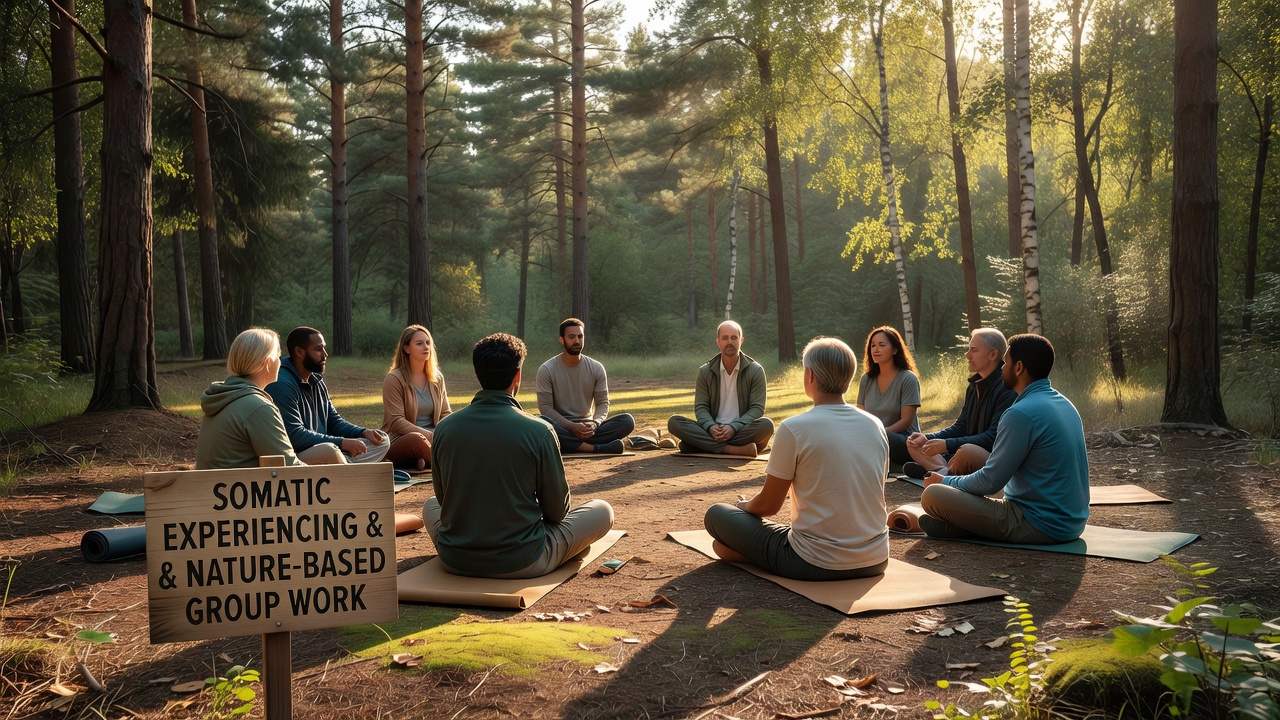
Turns out the outdoor context adds layers of stimulation from wind sounds and changing light that practitioners must account for when pacing exercises. One documented case showed participants using tree hugging as a resourcing tool while another group incorporated walking meditations along streams to track shifts in bodily tension. Evidence suggests these adaptations maintain the method's emphasis on internal sensation tracking even as external nature cues influence the experience.
Observed Outcomes in Collective Settings
Research indicates that group formats in natural environments can accelerate a sense of connection among members because shared exposure to weather and terrain creates common reference points. Data collected from multiple programs reveal improvements in self-reported anxiety scores and better sleep patterns among attendees who attended at least four sessions. Those who've studied this know that the presence of others provides a social buffer that helps individuals stay within their window of tolerance during intense sensation work.
But here's the thing: facilitators must monitor group dynamics closely to prevent one person's activation from overwhelming the collective process. Training standards from professional organizations require leaders to hold certifications in both somatic experiencing and wilderness first aid so they can respond to both psychological and physical needs on site. September 2026 schedules include several multi-day retreats in coastal and inland regions that incorporate these combined qualifications.
Integration With Broader Therapeutic Frameworks
Practitioners often combine somatic experiencing with elements from ecotherapy and attachment-based models and this blending occurs because nature itself functions as a co-regulator in many documented cases. Figures from health agencies in Canada and Australia show rising enrollment in outdoor mental health programs that list somatic techniques among their core offerings. Links to peer-reviewed findings appear in publications from institutions such as National Institutes of Health archives and Australian government health resources which outline physiological mechanisms involved.
People who've participated note that the combination of movement in open spaces and focused body awareness creates opportunities for spontaneous regulation that indoor rooms sometimes limit. Yet the method still requires careful screening because certain medical conditions may contraindicate extended time outdoors or intense physical tracking.
Conclusion
Somatic experiencing techniques continue to expand into nature-based group formats where they address both individual nervous system patterns and collective experiences shaped by the surrounding environment. Data from ongoing programs support their use alongside established mental health practices while highlighting the need for trained facilitators who understand both clinical protocols and outdoor safety considerations. As more sessions take place in September 2026 and beyond researchers will likely gather additional metrics on long-term retention of benefits across diverse participant groups.