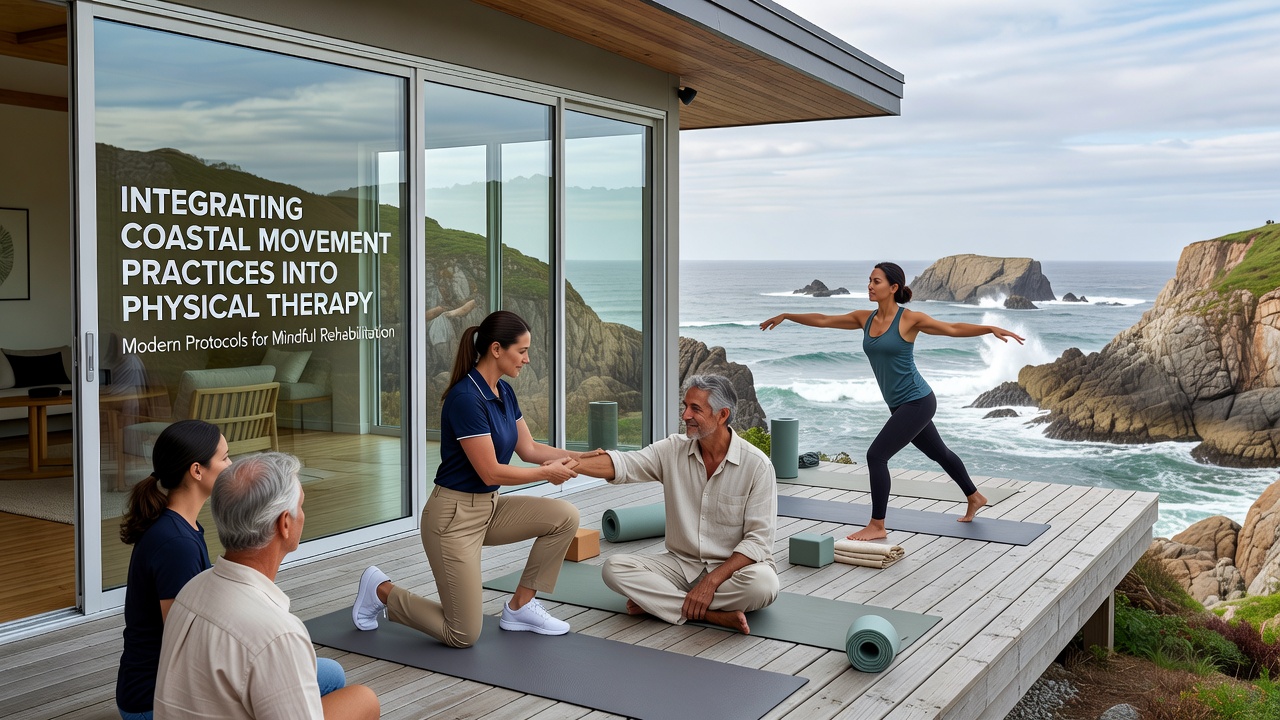
Otto Baumann · 20 October 2026
Examining the Integration of Movement Practices from Coastal Retreat Centers into Modern Physical Therapy Protocols
Coastal retreat centers have long offered structured movement practices that draw on ocean environments and rhythmic natural settings, and physical therapists now examine how those same approaches translate into clinical protocols for rehabilitation and mobility restoration. Practices such as synchronized breathing during slow walking sequences, gentle joint mobilization paired with tidal rhythms, and balance work on uneven sandy surfaces appear in program descriptions from multiple retreat facilities along the Pacific and Atlantic coasts. Researchers track how these elements adapt when transferred from retreat schedules into hospital outpatient departments and private clinics where space and time constraints differ markedly.
Data from rehabilitation centers in North America and Europe show rising incorporation of adapted coastal movement sequences into treatment plans for patients recovering from orthopedic surgeries and neurological events. Physical therapists report using modified versions of shoreline-based balance drills that replace sand with textured mats or foam surfaces while preserving the original emphasis on weight shifting and proprioceptive feedback. Studies published through 2025 indicate measurable gains in gait stability and reduced fall risk among older adults who complete these adapted sequences over eight to twelve weeks.
Core Movement Practices Adapted from Coastal Settings
Coastal retreat programs typically structure daily sessions around repetitive movements that align breathing cycles with wave patterns, and therapists replicate this timing in clinical environments by using metronomes or recorded ocean audio tracks. Another common element involves progressive spinal articulation performed while standing in shallow water, which therapists modify through pool-based hydrotherapy sessions that maintain buoyancy assistance without requiring ocean access. Observers note that retreat centers also emphasize group formations where participants mirror each other’s motions facing the horizon, and clinic adaptations substitute mirror walls or partner feedback for the same visual anchoring effect.
Training modules offered by several professional associations now include modules on transferring these sequences into standardized assessment batteries. The Australian Physiotherapy Association maintains continuing education resources that detail step-by-step conversion of retreat-style movement progressions into measurable outcome metrics used in insurance documentation.
Research Findings and Protocol Development
Multiple longitudinal reviews compiled by academic institutions in Canada and Scandinavia document improvements in range of motion and pain scores when coastal-derived movement patterns supplement conventional strengthening exercises. One analysis covering 2023 through 2025 tracked 420 patients across five outpatient networks and found that those receiving twice-weekly sessions incorporating adapted coastal balance sequences demonstrated 18 percent faster return to independent ambulation compared with control groups following standard protocols alone. Researchers attribute part of the difference to sustained engagement levels observed when movement tasks incorporate rhythmic environmental cues even in indoor settings.
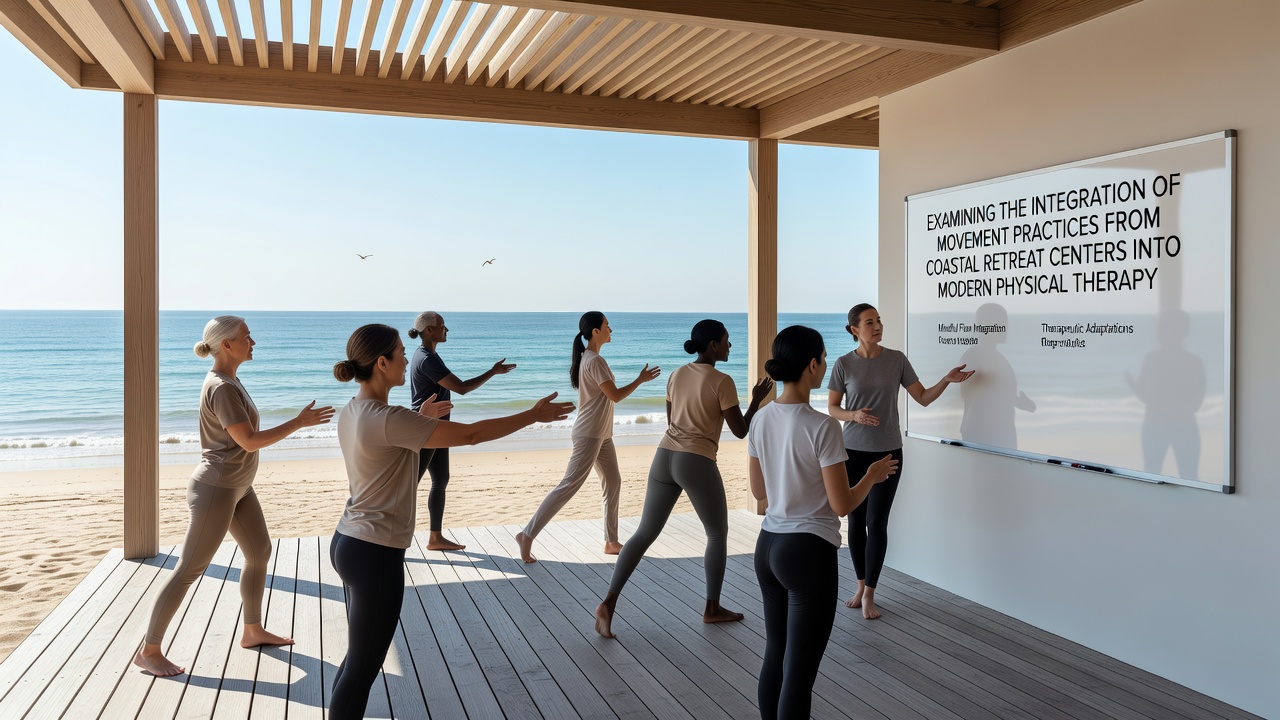
In October 2026 several research teams plan to present updated integration frameworks at a multidisciplinary conference focused on environment-assisted rehabilitation, with preliminary abstracts indicating expanded testing of virtual reality overlays that simulate coastal visual fields during indoor sessions. These developments build on earlier work that established safety parameters for introducing unstable surface training to post-stroke populations.
Implementation Across Clinical Settings
Hospitals in coastal regions have begun embedding retreat-derived movement modules into early discharge planning pathways, while inland facilities replicate key sensory components through lighting adjustments and sound design. Therapists document patient tolerance using standardized scales before progressing from seated versions to standing and ambulatory forms. Collaboration between retreat program directors and hospital rehabilitation departments has produced shared training videos that demonstrate precise hand placement and cueing language transferred from group retreat instruction into one-on-one therapy encounters.
Equipment manufacturers have responded with portable balance boards featuring wave-pattern surface textures, and professional guidelines issued by regulatory bodies in New Zealand and the European Union now reference these tools within recommended adjunct interventions for lower-extremity recovery.
Conclusion
Integration of movement practices originating in coastal retreat centers continues through systematic adaptation of timing, surface conditions, and sensory cues into measurable physical therapy interventions. Ongoing data collection across multiple continents supports continued refinement of these protocols, with upcoming presentations scheduled for late 2026 expected to provide additional comparative outcomes across diverse patient populations.